By: Ms. Julie Wangari, BA (MA Candidate),
As part of the Shalom Center for Conflict Resolution and Reconciliation (SCCRR) outreach, the Mary and Joseph Life Center (MJLC), founded by Rev. Dr. Patrick Devine, is strongly committed to addressing mental health challenges pertaining to women and children through training, advocacy, psychosocial empowerment, holistic and intensive counselling, and education. In response to the growing burden of mental health conditions, particularly post-traumatic stress disorder (PTSD), among populations living in Nairobi’s informal settlements/slums, the Center has integrated mental health advocacy, capacity building, and counselling into its core interventions.
Recognizing the complex relationship between trauma, violence, and mental well-being, Shalom-SCCRR has consistently promoted evidence-informed approaches to mental health and peacebuilding. In an earlier Shalom-SCCRR publication, Fr. Patrick Devine and Mr. Godfrey Okoth (PH.D Candidate) Devine, P. R. & Okoth, G. (2019), (https://shalomconflictcenter.org/shalom-sccrrs-interventions-towards-healing-post-traumatic-stress-disorder-ptsd-among-victims-of-conflict-in-eastern-africa/) deliberated on the dynamics of PTSD and related mental health challenges within conflict-affected communities, highlighting the need for trauma-informed interventions as an essential component of sustainable peace and individual-community livelihood resilience. Building on this understanding, Mary and Joseph Life Center (MJLC) continues to translate these principles into practical community-based interventions that support healing, recovery, and resilience among vulnerable populations.
Mental health remains a significant public health concern in Kenya, yet access to specialized mental health services remains limited. According to the World Health Organization (WHO), mental health conditions contribute substantially to the global burden of disease, with low- and middle-income countries experiencing major gaps between the need for services and the availability of care (World Health Organization [WHO], 2022). Kenya faces similar challenges, with mental health concerns increasingly linked to violence (manifest and structural), poverty, unemployment, displacement, family instability, exposure to traumatic experiences, among others.
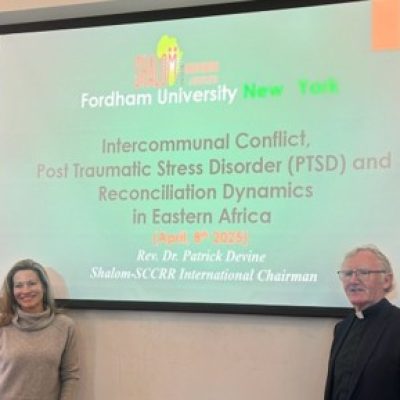
Kenya’s mental health care system is characterized by a limited number of specialized psychiatric facilities and an unequal distribution of mental health professionals. The country’s main psychiatric referral institution is the Mathari National Teaching and Referral Hospital, which provides specialized psychiatric treatment, rehabilitation, training, and research services. However, as the only national psychiatric referral hospital, Mathari has to try and serve a population exceeding 50 million people, placing significant pressure on available resources and limiting timely access to specialized care (Ministry of Health, Kenya, 2020).
Beyond Mathari Hospital, psychiatric services are provided through psychiatric units within selected referral hospitals, including Kenyatta National Hospital, Moi Teaching and Referral Hospital, Jaramogi Oginga Odinga Teaching and Referral Hospital, and Coast General Teaching and Referral Hospital. However, these services remain insufficient in relation to the mental health needs of the Kenyan population, particularly among communities living in informal settlements and rural areas.
Kenya also experiences a critical shortage of mental health professionals. The country has approximately 150 psychiatrists serving a population of more than 50 million people, representing a significant gap compared to the recommended availability of mental health professionals required for adequate service delivery (WHO, 2021). This shortage contributes to long waiting times, limited access to psychotherapy services, and overreliance on tertiary referral hospitals, and inadequate early intervention for individuals experiencing psychological distress.
The challenges within Kenya’s mental health system are further intensified by stigma, limited awareness, and financial barriers. Many individuals experiencing symptoms of depression, anxiety, trauma-related disorders, or other psychological difficulties delay seeking professional help because mental illness is often misunderstood and associated with negative labels. The Kenya Mental Health Policy recognizes that strengthening community-based mental health services, integrating psychosocial support into primary healthcare, and increasing public awareness are essential strategies for improving mental health outcomes in the country (Ministry of Health Kenya, 2015).
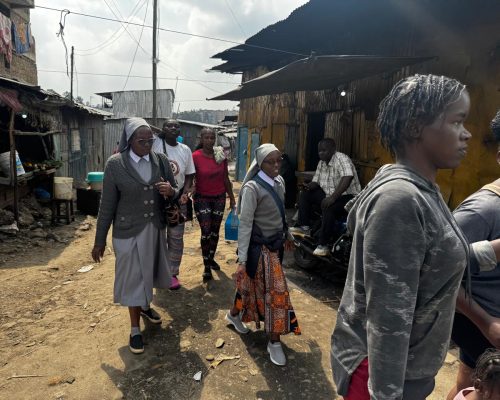
Nairobi’s informal settlements face significant mental health challenges due to violence (be it manifest or structural – individual or communal), poverty, unemployment, overcrowding, and limited access to care. Mary and Joseph Life Center (MJLC) helps bridge this gap by providing counselling, psychosocial support, mental health education, and trauma-informed interventions. However, stigma and misconceptions about mental health continue to discourage many individuals from seeking help, highlighting the need for increased awareness and accessible support services.
The MJLC also takes great satisfaction in assisting pregnant women and girls who want to have their babies born, but, because of their difficult circumstances, pressure from the men responsible for the pregnancies and from family members/relatives, they are frequently coerced into considering abortion against their will. These women and girls often, if not always, suffer mental health anxieties and PTSD because of the situations. Indeed, many women who have had abortions and are suffering PTSD as a consequence of this occurrence in their lives come to MJLC for healing, counselling, psychological, and spiritual renewal. All persons in difficulty are welcome and cared for – doors open 9 am – 5 pm.
Nairobi is home to more than 200 informal settlements, with an estimated 2 to 2.5 million residents representing approximately half of the city’s population—living in these underserved communities. Approximately 60 percent of Nairobi’s population lives in informal settlements, occupying about 6 percent of the county city’s land (KIPPRA, 2024). These environments are often characterized by poverty, unemployment, overcrowding, insecurity, and limited access to essential services, all of which contribute to increased exposure to psychological distress and trauma (APHRC, 2014). Women and girls experiencing crisis pregnancies face additional psychological, social, and economic pressures that further increase their vulnerability to depression, anxiety, and other mental health challenges.
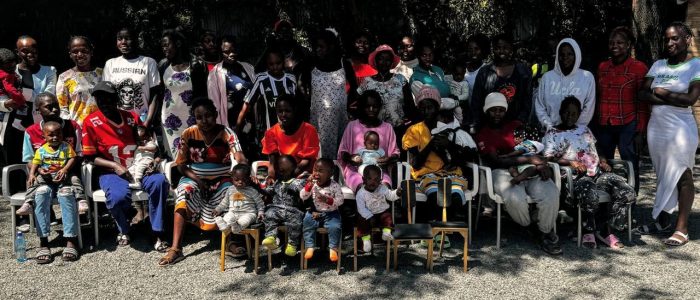
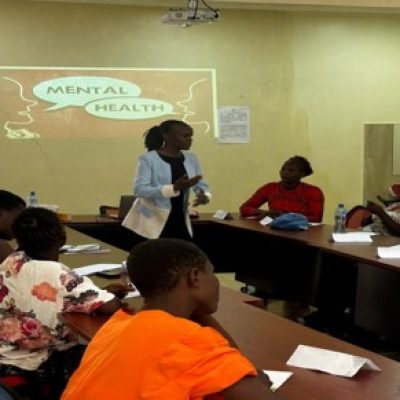
In response, Mary and Joseph Life Center (MJLC) facilitates weekly mental health awareness workshops, training seminars, and structured individual and group counselling sessions aimed at demystifying mental health, promoting mental health literacy, and reducing stigma within the community. These interventions enable women and girls to understand common mental health conditions, recognize their causes and symptoms, and develop healthy coping strategies. By fostering resilience, encouraging early help-seeking behaviour, and strengthening psychosocial support, the Center contributes to reducing the long-term burden of untreated mental health conditions among vulnerable populations.
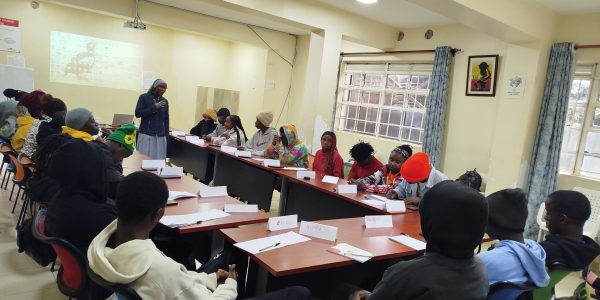
Despite the growing need for mental health services, access to affordable and community-based care remains limited, particularly within informal settlements. Many residents continue to face significant barriers, including a shortage of mental health professionals, inadequate counselling facilities, financial constraints, and persistent stigma that discourages individuals from seeking timely support (Ministry of Health Kenya, 2015). Consequently, community-based initiatives such as those implemented by MJLC play a critical role in bridging this gap by providing accessible, culturally sensitive, and trauma-informed mental health services to populations that might otherwise remain underserved.
The women and girls who seek MJLC’s counselling services often face unique challenges, including trauma, economic pressure, interpersonal difficulties, and psychosocial stress. In response to these needs, MJLC provides one-on-one counselling in a safe and confidential setting. This creates an opportunity for clients to openly address personal struggles while receiving interventions tailored to their individual psychological and social circumstances.
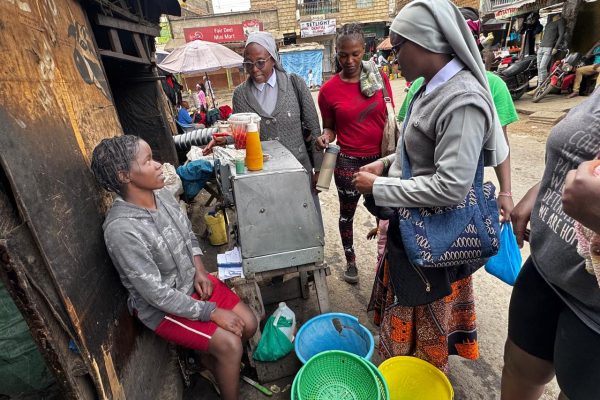
Individual counselling approaches used within community settings are essential because they allow early identification of psychological distress and provide opportunities for timely intervention. Evidence indicates that trauma-informed psychological support can improve coping mechanisms, emotional regulation, and resilience among individuals affected by violence and adversity (Harris & Fallot, 2001).
As part of my academic research, I conducted a survey at the Center to assess the prevalence and underlying causes of depression among women. The results highlight an urgent need for intervention. Among the women assessed: 5.6% had minimal depression, 8.6% mild, 28.6% moderate, 17.1% moderately severe, and 37.1% severe depression. This means that more than half of the participants experienced moderate to severe levels of depression. In the past year, 1,835 women and girls living in these informal urban settlements and slums benefited from MJLC’s empowerment workshops and seminars on mental health awareness and from holistic and intensive counselling services.
Socio-economic factors played a central role in influencing psychological distress. Financial insecurity recorded the highest depression index (6.71), followed by unmet basic needs (3.71), lack of opportunities (3.67), weak social connections (3.44), and social inequality (3.42). These findings demonstrate the strong relationship between social determinants and mental health outcomes. Research has consistently shown that poverty, unemployment, social exclusion, and inadequate living conditions significantly increase vulnerability to depression and other mental health disorders (Lund et al., 2011).
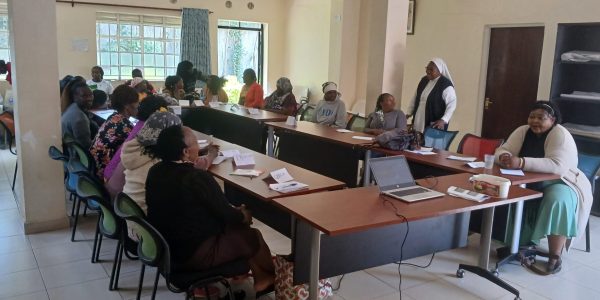
These research findings affirm that women from the urban informal settlements (slums) such as Kawangware, Riruta, Kangemi, Kibera, Mathare, Kariobangi, Korogocho, Waithaka, Ngando, Mtego, Uthiru, Kabiria, Satelite, among others, where MJLC serves and surrounding areas are not only struggling with poverty and social exclusion but are also experiencing significant emotional suffering. When psychological distress remains unaddressed, it can affect family relationships, parenting, community participation, and overall social well-being.
MJLC counselling and therapy services are therefore designed to restore hope, bring about healing and renewal, develop long-term coping mechanisms, strengthen self-esteem and foster self-actualization. Since its inception, Mary and Joseph Life Center (MJLC) has provided conflict transformation training, livelihood resilience, and holistic and intensive counselling to hundreds of individuals affected by violence and its far-reaching consequences.
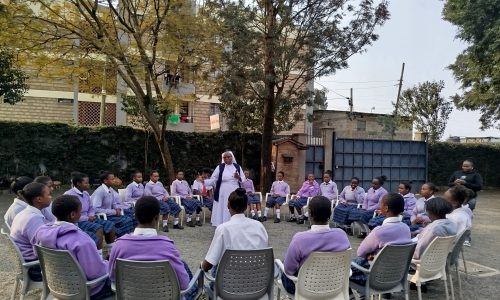
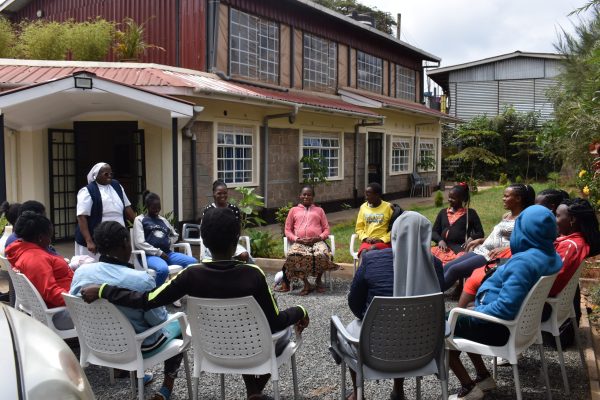
In addition to individual counselling sessions, the Centre conducts regular group counselling and therapy programmes. These sessions foster peer support, reduce feelings of isolation, and provide a platform for collective learning and healing. Within these groups, participants are encouraged to share their experiences, learn adaptive coping strategies, and gain strength from the shared understanding of others. Group therapy also addresses the stigma surrounding mental health by normalizing conversations about emotional well-being and creating supportive social networks within the community.
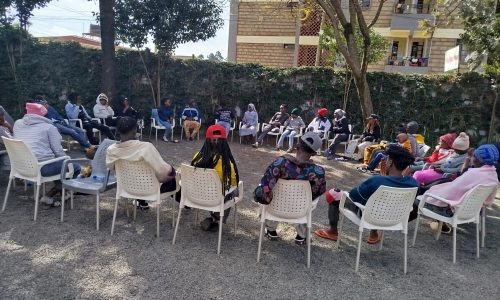
Group-based psychosocial interventions are particularly important within vulnerable communities because they promote social connection, belonging, and collective resilience. Appreciating the accessibility of counselling services at the Center, Ms. Faith Osore noted, “These group sessions are helpful as the youths from the slums are going through difficult distressful situations – Post Traumatic Stress Disorder (PTSD) – and other mental health challenges. These sessions help us identify them, and we are guided towards healing and gradually transforming our mental well-being.”
The Center invests in empowering young people through training programmes that equip them with trauma and stress management skills, including knowledge on post-traumatic stress disorder (PTSD), emotional regulation, and conflict resolution. Through these initiatives, youths are strengthened with practical coping mechanisms that reduce vulnerability to negative influences such as substance abuse, violence, and destructive behaviours.
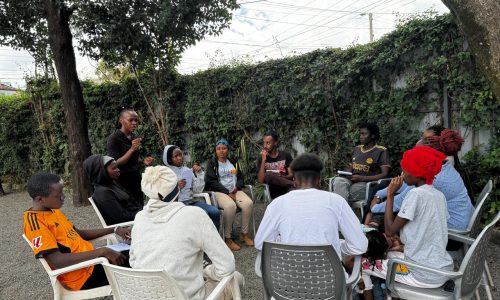
The mental health services offered by MJLC are founded on the belief that psychological and spiritual healing and economic resilience are closely connected to the restoration of human dignity, the respect for the sanctity of life, and the protection of human rights. Through its integrated approach of counselling, training, and advocacy, the MJLC Center ensures that healing extends beyond addressing symptoms of psychological distress to empowering individuals and communities to recover, rebuild, and thrive. By creating safe spaces for reflection, support, and transformation, MJLC promotes holistic well-being by addressing the interconnected needs of the body, mind, social environment, and community structures. This approach reflects contemporary understanding of mental health, which recognizes that psychological well-being is influenced not only by individual factors but also by social, economic, cultural, and environmental conditions (WHO, 2022). We are also very grateful for the support of the ‘Shalom Empowerment Center addressing Violence against Women and Children (SEC)’ to MJLC interventions (Shalom-SCCRR, 2022).
MJLC’s holistic approach contributes to building a society free from violence and social injustices by addressing trauma, promoting resilience, and supporting the recovery of individuals, families, and communities. Through community-based counselling, psychoeducation, and empowerment, MJLC complements Kenya’s inadequate mental health system by providing accessible early interventions and psychosocial support. Strengthening collaboration between government, healthcare providers, and community organizations remains essential in creating a comprehensive mental health response that promotes healing, prevention, and dignity for vulnerable populations.
Author: Ms. Julie Wangari, BA (MA Candidate), Shalom-SCCRR In-Training Capacity Program.
REFERENCES & RELEVANT LINKS
African Population and Health Research Center. (2014). Population and health dynamics in Nairobi’s informal settlements. APHRC.
Butler, J. (Oct, 2023). Harvard Kennedy School; A Conversation with Rev. Dr. Patrick Devine and Paula Soumaya Domit. https://shalomconflictcenter.org/wp-content/uploads/2024/01/Harvard_Kennedy_School_Article_WITH_PHOTOS_MAP_1_17_24_FINAL.pdf
Democratic Republic of Congo (DRC): Raising the Shalom-SCCRR Banner Amid Its Violent Conflict Eastern Region, By Rev. Dr. Emmanuel T. Tembo.
https://shalomconflictcenter.org/democratic-republic-of-congo-drc-raising-the-shalom-sccrr-banner-amid-its-volatile-conflict-eastern-region/
Devine, P. R. & Okoth, G. (2019). Shalom-SCCRR’s Interventions Towards Healing Post-Traumatic Stress Disorder (PTSD) Among Victims of Conflict in Eastern Africa. https://shalomconflictcenter.org/shalom-sccrrs-interventions-towards-healing-post-traumatic-stress-disorder-ptsd-among-victims-of-conflict-in-eastern-africa/
Devine, Patrick R. (2025). Conflict and Religion in Eastern Africa: A Conceptual Consideration of Radicalization, Fundamentalism, Extremism, Terrorism, Tolerance, and Their Interaction Dynamics.
https://shalomconflictcenter.org/rev-dr-patrick-devine-conflict-and-religion-in-eastern-africa-a-conceptual-consideration-of-radicalisation-fundamentalism-extremism-terrorism-tolerance-and-their-interaction-dynamics/
Devine, Patrick R. (2025). Shalom-SCCRR’s Conflict Transformation and Peacebuilding Intervention Methodology, Processes and Spiritual Rationale (Synopsis) with 16 years Results.
https://shalomconflictcenter.org/shalom-sccrr-intervention-methodology-conflict-management-continuum-diagram-and-a-brief-rationale-overview-with-16years-results/
Devine, R. P. (2025). Persistent conflict between the Pokot and the Turkana (2nd Edition). India: Notion Press. https://www.barnesandnoble.com/w/persistent-conflict-between-the-pokot-and-the-turkana-patrick-r-devine/1147446777
Devine, R. P. (2026). The Ilemi Triangle Environs: Delineating the Causes and Consequences of the Turkana-Dassenach Conflict (2nd Edition). India: Notion Press. https://notionpress.com/in/read/the-ilemi-triangle-environs-hardcover?srsltid=AfmBOorDxQeYEJjpPnBpCProynUIT0XUHqCRqs4MqlYgGV0KzsS_F9m4
Harris, M., & Fallot, R. D. (2001). Using trauma theory to design service systems. Jossey-Bass.
His Eminence John Cardinal Njue and His Grace Archbishop Phillip Anyolo Endorsement and Recommendation for the Mary and Joseph Life Center (MJLC).https://maryandjosephlifecenter.org/wp-content/uploads/2025/11/His-Eminence-John-Cardinal-Njue-and-His-Grace-Archbishop-Phillip-Anyolo-Endorsement-and-Recommendation-for-the-Mary-and-Joseph-Life-Center-MJLC.pdf
Kibe, E. & Jovalet, A. (2025). Mary And Joseph Life Center (MJLC) at Three: Promoting Sanctity of Life, Empowering Lives, & Nurturing Futures. https://maryandjosephlifecenter.org/mary-and-joseph-life-center-mjlc-at-three-promoting-sanctity-of-life-empowering-lives-nurturing-futures/
Kibe, E. (2026, June 27). Rev. Dr. Patrick Devine’s Presentation at the Tangaza University, School of Philosophy Symposium.
https://shalomconflictcenter.org/rev-dr-patrick-devines-presentation-at-the-tangaza-university-school-of-philosophy-symposium/
Kitonga, D. M., Ndiga, B., & Noonan, O. (2025). Contributions of Social Community Structures on Conflict Management among Pastoral Communities in the Ilemi Triangle. Eastern African Journal of Humanities and Social Sciences, 4(1), 68-76. https://doi.org/10.58721/eajhss.v4i1.874
Launching Forth with Noble Expectations: the ‘Center for Conflict Transformation and Peacebuilding’ (CCTPB) in Tanzania, East Africa
https://shalomconflictcenter.org/launching-forth-with-noble-expectations-the-center-for-conflict-transformation-and-peacebuilding-cctpb-in-tanzania-east-africa/
Lund, C., Breen, A., Flisher, A. J., Kakuma, R., Corrigall, J., Joska, J. A., Swartz, L., & Patel, V. (2011). Poverty and common mental disorders in low and middle income countries: A systematic review. Social Science & Medicine, 72(4), 517–528. https://doi.org/10.1016/j.socscimed.2010.12.027
Magero, A., Kibe, E., & Devine, P.R. (2026). Spirit of Life in Kenya’s Slums: Shalom-SCCRR’s Transformative Presence. https://shalomconflictcenter.org/spirit-of-life-in-kenyas-slums-shalom-sccrrs-transformative-presence/
Mary and Joseph Life Center (MJLC): Concept Document. https://maryandjosephlifecenter.org/mary-and-joseph-life-center-mjlc-concept-document
Mary and Joseph Life Center. (2026). Mary and Joseph Life Center (MJLC) 2025 results and achievements. https://maryandjosephlifecenter.org/mary-and-joseph-life-center-mjlc-2025-results-and-achievements/
Ministry of Health, Kenya. (2015). Kenya Mental Health Policy 2015–2030. Government of Kenya.
Ministry of Health, Kenya. (2020). Kenya Mental Health Action Plan 2021–2025. Government of Kenya.
MJLC. (2025). Suicide Prevention Month: MJLC Upholding and Safeguarding the Sanctity and Dignity of Life. https://maryandjosephlifecenter.org/suicide-prevention-month-mjlc-upholding-and-safeguarding-the-sanctity-and-dignity-of-life/
Moran, M. (2022). Mary & Joseph Life Center opens in Nairobi. https://maryandjosephlifecenter.org/kenya-mary-joseph-life-center-opens-in-nairobi/
Ngala, C & Osiro, M. (2026, June 22). Conflict Transformation-Hope Realized: My Journey with Shalom-SCCRR’s Peacebuilding in Mathare Slum, Nairobi, Kenya. https://shalomconflictcenter.org/conflict-transformation-hope-realized-my-journey-with-shalom-sccrrs-peacebuilding-in-mathare-slum-nairobi-kenya/
Odhiambo, J.K. (2026, June 18). Some of the Global Recognition of Shalom-SCCRR’s Conflict Transformation-Peacebuilding Approach. https://shalomconflictcenter.org/the-global-recognition-of-shalom-sccrrs-conflict-transformation-peacebuilding-approach/
Odour, K. (2026). The Nexus Between Logistics in Transportation, Delivery Management, and the Success of Shalom-SCCRR’s Peacebuilding and Educational Development Programs: Reflections from My Experience. https://shalomconflictcenter.org/the-nexus-between-logistics-in-transportation-delivery-management-and-the-success-of-shalom-sccrrs-peacebuilding-and-educational-development-programs-reflections-from-my-experience/
Shalom Center for Conflict Resolution and Reconciliation. (2026). 2025 Shalom Empowerment Center (SEC) addressing violence against women and children: Results and achievements. https://shalomconflictcenter.org/2025-shalom-empowerment-center-sec-addressing-violence-against-women-and-children-results-and-achievements/
Shalom-SCCRR (2025, April 7). Fordham University, New York; Lecture by Rev. Dr. Patrick Devine, Shalom-SCCRR International Chairman. https://shalomconflictcenter.org/fordham-university-new-york-lecture-by-rev-dr-patrick-devine-shalom-sccrr-international-chairman/
Shalom-SCCRR 16 Years Results and Achievements.
https://shalomconflictcenter.org/wp-content/uploads/2026/04/16-Years-Shalom-SCCRR-Results-and-Achievements-LV.pdf
Shalom-SCCRR. (2022). Shalom Empowerment Center (SEC) Addressing Violence against Women and Children: Concept Document. https://shalomconflictcenter.org/eastern-africa-shalom-empowerment-center-sec-addressing-violence-against-women-and-children-concept-document/
Shalom-SCCRR. (2025, Oct 3). Rev. Dr. Patrick Devine 2025 International Lectures and Presentations. https://shalomconflictcenter.org/rev-dr-patrick-devine-2025-international-lectures-and-presentations/
The Kenya Institute for Public Policy, Research and Analysis. (2024, May 7). Strengthening the Upgrading Programmes of Informal Settlements in Nairobi. https://kippra.or.ke/strengthening-the-upgrading-programmes-of-informal-settlements-in-nairobi/
World Health Organization. (2021). Mental health atlas 2020. World Health Organization.
World Health Organization. (2022). World mental health report: Transforming mental health for all. World Health Organization.